Instructional objective
You will be able to comprehend English text about the museum
Reading Activity 1: The Bali Museum
Read the text and answer the question.
The Bali Museum
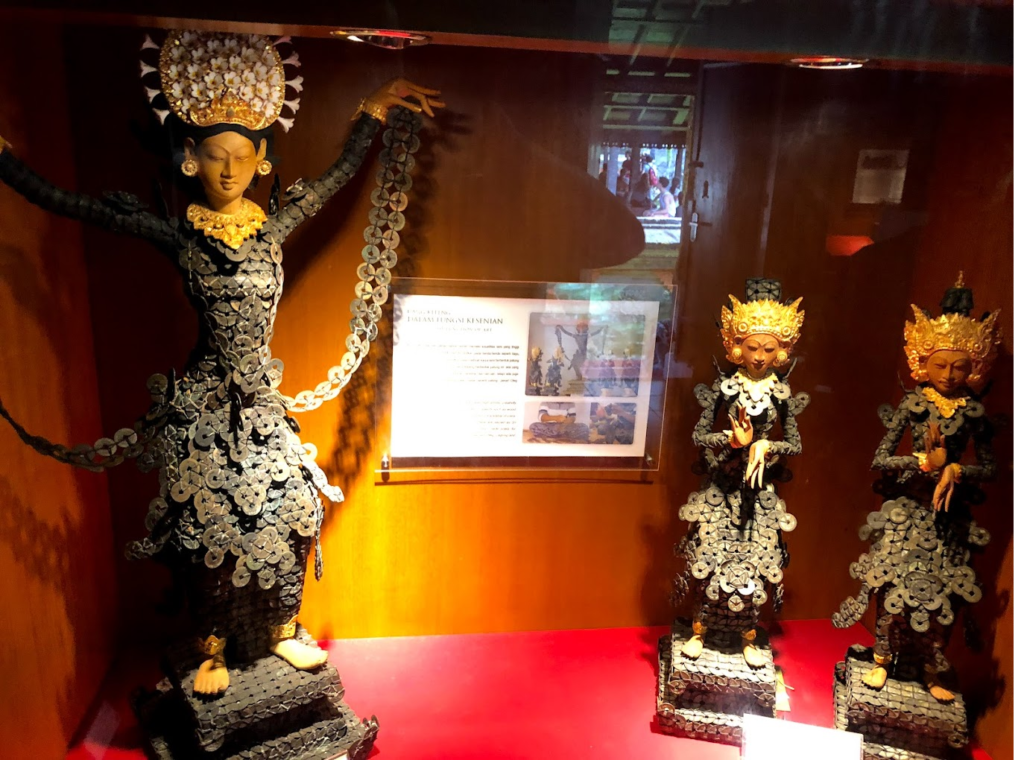
The Bali Museum, known locally as Museum Bali, is a cultural institution situated in Denpasar, the capital city of Bali, Indonesia. Established in 1932, the museum stands as a guardian of Bali’s rich cultural heritage, preserving and showcasing the island’s diverse traditions, art forms, and historical artifacts. Housed in a magnificent traditional Balinese-style building, the Bali Museum itself is a testament to the island’s architectural prowess. Its architecture reflects the intricate designs and craftsmanship characteristic of Balinese culture, featuring ornate carvings, tiered roofs, and serene courtyards that evoke a sense of tranquility.
Within the museum’s walls, visitors can embark on a journey through Bali’s past and present. The museum’s extensive collection includes a wide array of artifacts, ranging from ancient Hindu-Buddhist relics and ceremonial objects to traditional costumes, textiles, woodcarvings, masks, and sculptures. These artifacts offer insights into Balinese life, religion, artistry, and social customs, spanning centuries of history. One of the highlights of the Bali Museum is its impressive display of Balinese paintings, which showcases the island’s renowned artistic heritage. The museum’s collection features works by local artists, depicting scenes from Balinese mythology, daily life, and religious ceremonies with exquisite detail and vibrant colors.
Through its exhibitions, educational programs, and cultural events, the Bali Museum serves as a vibrant hub for preserving, promoting, and celebrating Balinese culture. It provides visitors with opportunities to immerse themselves in the island’s rich traditions, fostering a deeper appreciation and understanding of Bali’s cultural identity. For both locals and tourists alike, a visit to the Bali Museum offers a captivating glimpse into the soul of Bali and its timeless allure.
Questions:
Answer the questions below, choose T for True or and F for False
1. The Bali Museum is located in the city of Denpasar, the capital of Indonesia. (True / False)
2. The museum was established in 1932. (True / False)
3. The architecture of the Bali Museum reflects modern design principles. (True / False)
4. The museum’s collection includes artifacts from various cultures around the world. (True / False)
5. Visitors to the Bali Museum can explore exhibits featuring traditional Balinese costumes. (True / False)
6. The museum does not have any displays related to Balinese Hindu religious artifacts. (True / False)
7. The Bali Museum’s collection includes a significant number of Balinese paintings. (True / False)
8. The museum’s primary focus is on showcasing modern artworks by Balinese artists. (True / False)
9. The Bali Museum hosts cultural events and educational programs for locals and visitors. (True / False)
10. The museum’s mission is to preserve and promote Balinese culture through its exhibitions and activities. (True / False)
Reading Activity 2: The
Read the text and answer the question.
The National Museum of Singapore
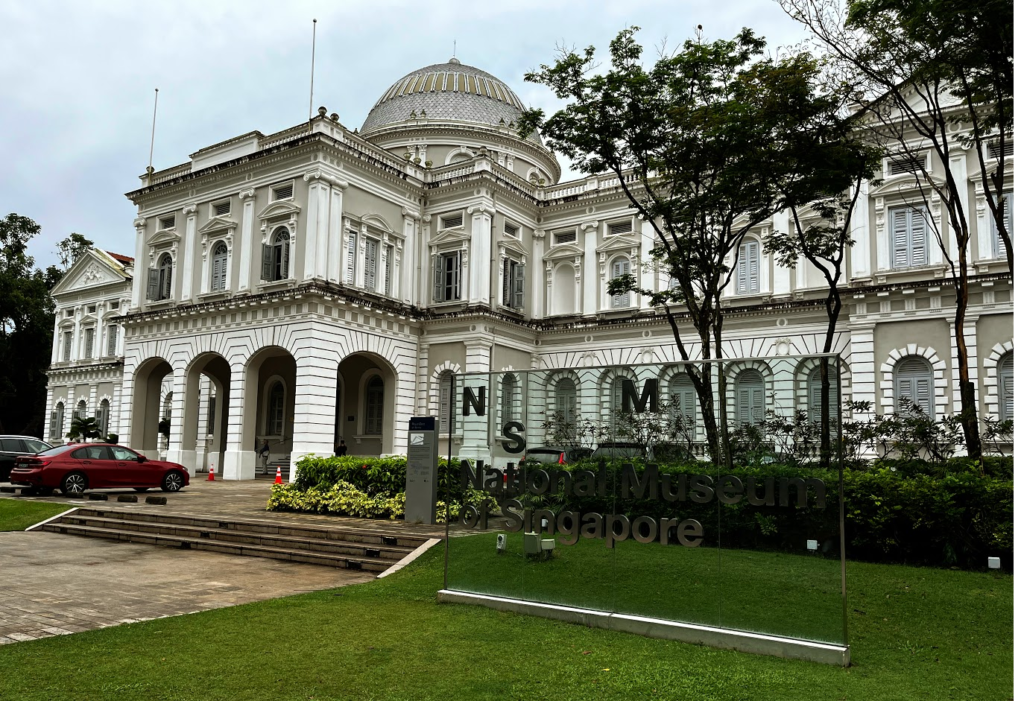
The National Museum of Singapore stands as a cultural beacon in the heart of the city-state, offering visitors a captivating journey through Singapore’s rich history, diverse culture, and vibrant heritage. Established in 1849, it is the oldest museum in Singapore and has played a pivotal role in preserving and showcasing the nation’s collective memory. Housed in a striking neoclassical building with modern architectural elements, the National Museum of Singapore is an iconic landmark that seamlessly blends the old with the new. Its galleries feature a wealth of artifacts, multimedia exhibits, and immersive displays that chronicle Singapore’s evolution from a humble fishing village to a bustling cosmopolitan metropolis.
Visitors to the museum can explore a wide range of themes and topics, including Singapore’s colonial past, multicultural heritage, and journey to independence. Highlights of the museum’s collection include historical artifacts, archaeological treasures, fine art pieces, and multimedia installations that offer insights into the island nation’s rich and complex history. One of the museum’s most iconic exhibits is the Singapore History Gallery, which takes visitors on a chronological journey through key periods in Singapore’s history, from ancient times to the present day. Other notable attractions include the Goh Seng Choo Gallery, which showcases exquisite Peranakan artifacts, and the Glass Rotunda, home to immersive digital art installations.
In addition to its permanent exhibitions, the National Museum of Singapore regularly hosts special exhibitions, educational programs, and cultural events that engage and inspire visitors of all ages. Through its diverse array of offerings, the museum serves as a dynamic platform for fostering a deeper understanding and appreciation of Singapore’s rich cultural heritage and national identity. It stands as a testament to the resilience, creativity, and spirit of the Singaporean people, inviting visitors to explore and celebrate the stories that shape the nation.
Questions:
Answer the questions below and choose the best answer A, B, C or D.
1. When was the National Museum of Singapore established?
A) 1849
B) 1949
C) 1749
D) 1649
2. What is the architectural style of the National Museum of Singapore?
A) Modernist
B) Neoclassical
C) Brutalist
D) Art Deco
3. What role does the National Museum of Singapore play in preserving Singapore’s heritage?
A) It is the oldest shopping mall in Singapore.
B) It is a platform for fostering a deeper understanding and appreciation of Singapore’s rich cultural heritage and national identity.
C) It is a wildlife sanctuary.
D) It is a sports complex.
4. Which gallery at the museum showcases Peranakan artifacts?
A) Singapore History Gallery
B) Goh Seng Choo Gallery
C) Glass Rotunda
D) Art Deco Gallery
5. What is the Singapore History Gallery about?
A) It showcases contemporary art.
B) It takes visitors on a chronological journey through key periods in Singapore’s history.
C) It features artifacts from ancient Egypt.
D) It is a botanical garden.
6. What type of artifacts are showcased in the Goh Seng Choo Gallery?
A) Ancient Chinese artifacts
B) Peranakan artifacts
C) European paintings
D) Medieval armor
7. What does the Glass Rotunda house?
A) Contemporary sculptures
B) Interactive exhibits
C) Traditional dance performances
D) Immersive digital art installations
8. What does the National Museum of Singapore regularly host?
A) Shopping festivals
B) Educational programs and cultural events
C) Beach parties
D) Movie nights
9. What does the museum serve as?
A) A shopping mall
B) A sports stadium
C) A dynamic platform for fostering a deeper understanding and appreciation of Singapore’s rich cultural heritage
D) A theme park
10. What does the museum stand as?
A) A testament to the resilience, creativity, and spirit of the Singaporean people
B) A monument to the city’s financial district
C) A gateway to the Singapore River
D) A symbol of modernity and progress